® 2016 - 2026 PVS-SPA
VAT ID IT06532250153
eq. capital Euro 624.000 i.v.
company register MI n. 215184
R.E.A. MI n. 1103165
via Leonardo Da Vinci, 18
20051 Cassina De Pecchi MI
TEL +39 029160011
FAX +39 0291600310
E-mail: info@pvs-spa.it
PVS
First aid products, a team of experts and a constant enthusiasm for innovation


How to treat a burn
Welcome back to the PVS blog!
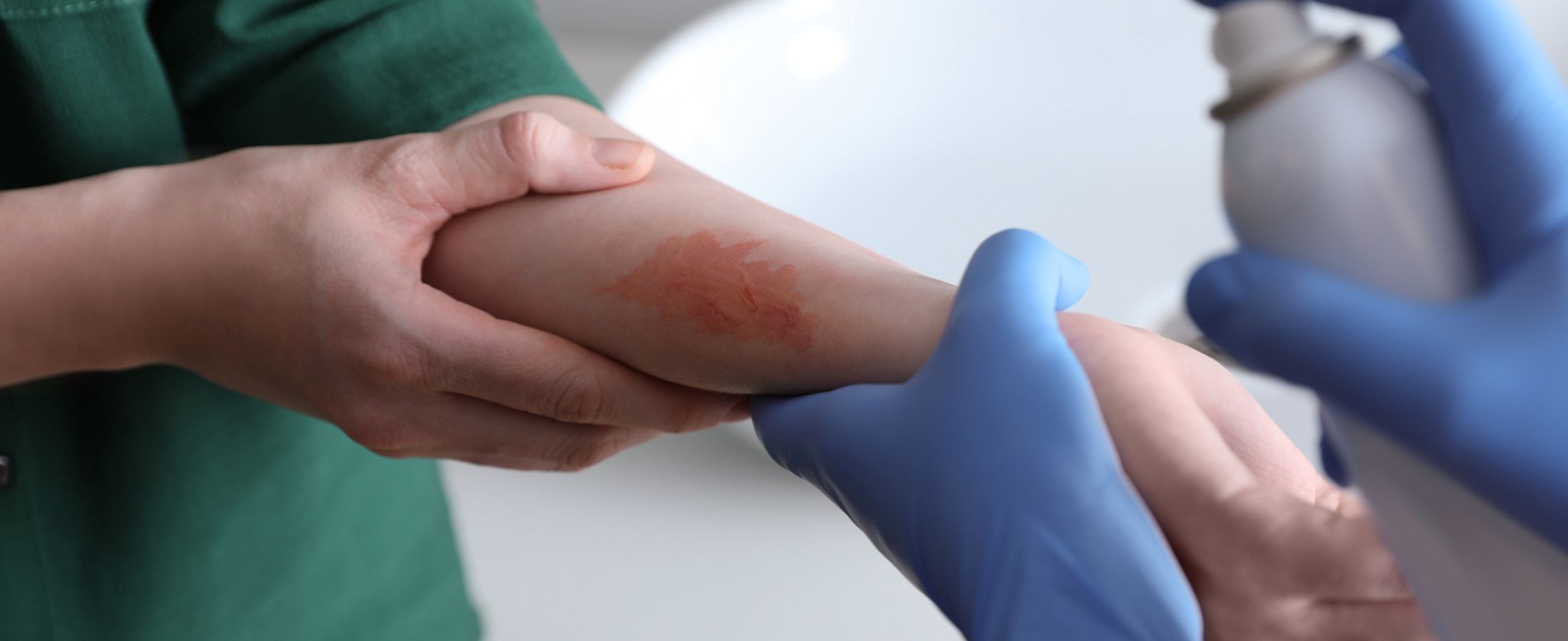
In this week’s blog post, we talk about burns and minor burns, those that can occur at home and in the workplace. It’s a common accident that can happen accidentally due to various circumstances and, in most cases, does not have serious consequences.
Most minor burns are treated locally with gauze, band-aids, and appropriate dressings – we’ll talk more about this and the steps to take later. But did you know that approximately 486,000 people visit the emergency room due to a burn every year? Fortunately, most of the time hospital care is not necessary – but it’s important to recognize when the situation is serious enough to seek emergency care.
Let’s find out how to deal with a burn thanks to an article read on band-aid.com.
What is a burn?
A burn is damage to the skin and tissues resulting from various factors: excessive exposure to heat or sun, extreme cold, radiation, chemical/electrical sources. The most common causes of burns are typically:
• Thermal burns: those that occur after accidental contact with fire or heat sources (such as very hot pots, kitchen stoves, etc.);
• Electrical burns: those taken in contact with household current, through malfunctioning cables or electronic devices;
• Sunburns: due to overexposure to the sun without adequate protection;
• Friction or rubbing burns;
• Ice burns: perhaps little known but often contracted, they can occur when in direct contact with ice or very cold temperatures for an extended period.
• Chemical burns, caused by exposure to substances such as gasoline without adequate protection.
Following a burn, the sensations felt are usually acute pain. You may also observe:
• blister formation;
• swelling of the skin;
• peeling.
The pain can last for a few days, and the most uncomfortable moments occur immediately (right after the burn).
Depending on their severity, burns are classified as first (minor burns), second (deep), and third-degree (very serious, which destroy the dermis and epidermis and must absolutely be treated in the hospital).
How to treat a minor burn
Have you caused a minor burn and need to protect the wound correctly? Here’s how to act, step by step.
- Cool the burned skin under cool (not icy!) running water for at least 5 minutes and no more than 30 minutes (timing will vary depending on the size of the burn). Cold water will immediately and significantly reduce swelling.
- Dab the burned area with a dry, clean, and soft cloth. Apply, if you have it, an antibiotic/anti-infection ointment.
- Apply a sterile bandage or gauze that covers the burn, ensuring it stays in place and doesn’t move. Change the bandage at least once a day (or as needed), always cleaning the wound thoroughly.
What do you think of this article? And what do you do when you accidentally get a minor burn?



